Sweden's Regulatory Framework Driving Integration of Secure Transactions With Progressive Prize Pools in Portable Gaming Environments
Logan Ludwig · Aug 26, 2026
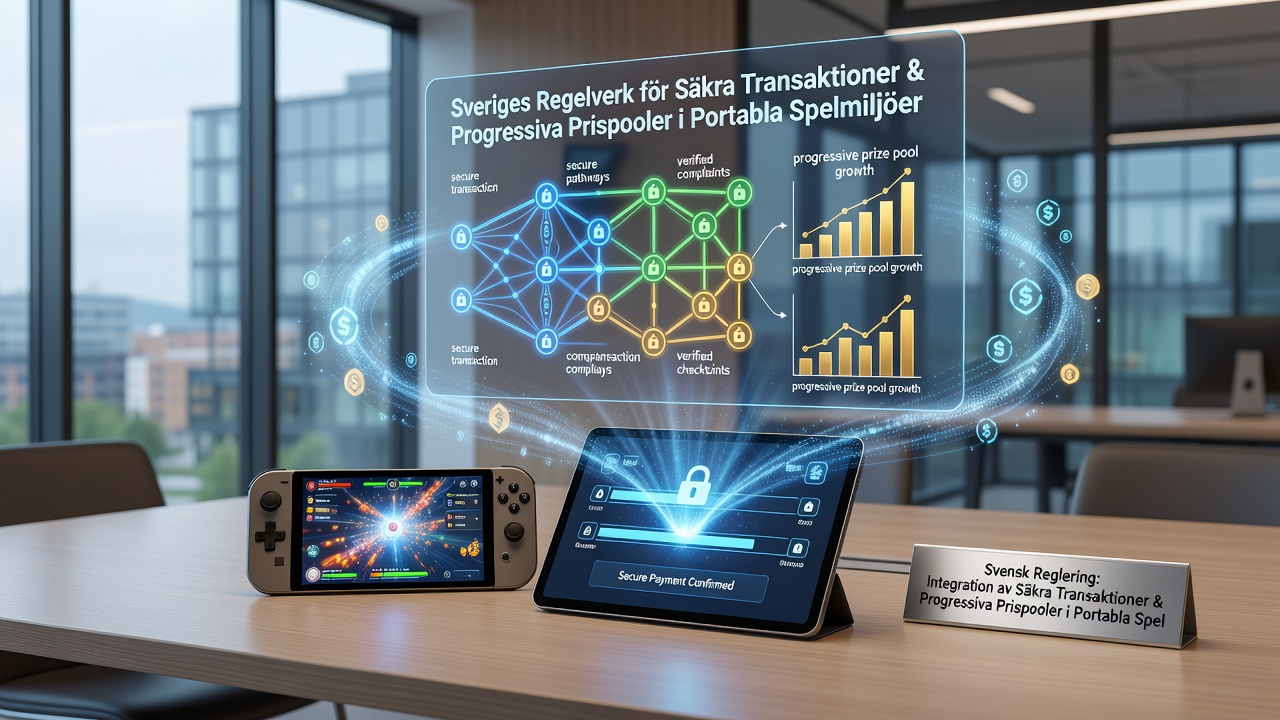
Sweden's Regulatory Framework Driving Integration of Secure Transactions With Progressive Prize Pools in Portable Gaming Environments
Sweden maintains a structured licensing system through Spelinspektionen that shapes how operators handle secure transactions alongside progressive prize pools in mobile gaming applications, and data from mid-2026 shows continued emphasis on compliance standards that align payment processing with jackpot accumulation mechanisms across portable devices.
Operators must meet technical requirements for encrypted payment channels that protect user funds during deposits and withdrawals while ensuring progressive prize pools update in real time without compromising fairness algorithms, and these rules apply uniformly to all licensed entities operating in the Swedish market.
Core Elements of the Licensing System
Spelinspektionen issues licenses that mandate specific security protocols for transaction handling, including multi-factor authentication and real-time monitoring systems that flag irregular activity in mobile sessions, whereas progressive prize pools require independent auditing to verify that contributions from each wager feed accurately into growing totals available on smartphones and tablets.
Research from European regulatory bodies indicates that such frameworks reduce discrepancies between advertised jackpot amounts and actual payouts, and figures released in August 2026 highlighted a steady increase in licensed mobile platforms incorporating these controls without disrupting user experience.
Secure Transaction Protocols in Mobile Settings
Payment gateways integrated into gaming apps must comply with standards that encrypt data transfers between portable devices and central servers, and operators often employ tokenization methods that replace sensitive card details with unique identifiers to limit exposure during progressive jackpot contributions.
Those who track compliance reports note that Swedish rules align with broader EU directives on digital payments, which encourages operators to adopt uniform security layers that function consistently across iOS and Android environments, yet allow room for innovation in how prize pool mechanics interact with transaction ledgers.
Progressive Prize Pool Mechanics Under Regulation
Progressive systems accumulate portions of each bet into shared pools that players access via mobile interfaces, and regulations require these pools to reset or carry over according to predefined rules that prevent manipulation, while transaction security ensures that every contribution is logged with timestamps and player identifiers for audit trails.
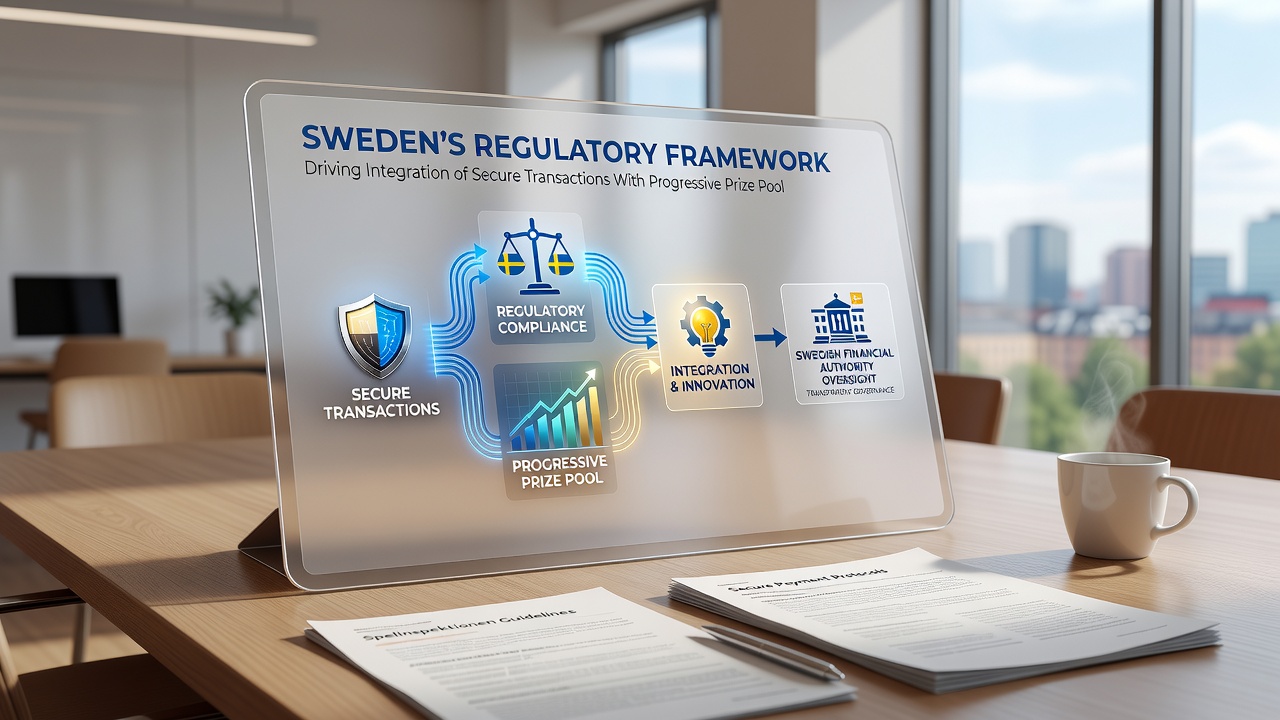
Industry reports from Canadian gaming associations reveal parallel approaches in other jurisdictions where mobile progressive features undergo similar scrutiny, and Swedish operators frequently reference these comparisons when updating their platforms to meet evolving technical benchmarks set for August 2026 onward.
Integration Challenges and Technical Standards
Combining secure transactions with progressive prize pools demands that backend systems synchronize payment confirmations with jackpot increments in milliseconds, and developers achieve this through API connections that verify each wager before adding to the pool, which minimizes latency on portable devices with variable network conditions.
Academic studies on digital gambling infrastructure point to Sweden's model as one that balances player protection with operational efficiency, and evidence from 2026 data collections shows licensed platforms maintaining uptime rates above 99 percent even during peak mobile usage periods when progressive pools reach notable thresholds.
Monitoring and Compliance Updates
Regular audits by Spelinspektionen examine both transaction logs and progressive pool calculations to confirm adherence, and any deviations trigger corrective measures that operators must implement within specified timeframes, while August 2026 saw additional guidance on mobile-specific testing procedures for these integrated features.
Trade organizations such as the European Gaming and Betting Association publish comparative analyses that place Sweden's requirements alongside those in Australia and Canada, highlighting how different regions address security in progressive mobile gaming without duplicating enforcement methods.
Conclusion
Sweden's regulatory approach continues to influence how secure transaction systems support progressive prize pools in portable gaming by enforcing technical and auditing standards that operators follow across licensed platforms, and ongoing data collection through 2026 provides benchmarks for further refinements in these areas.